
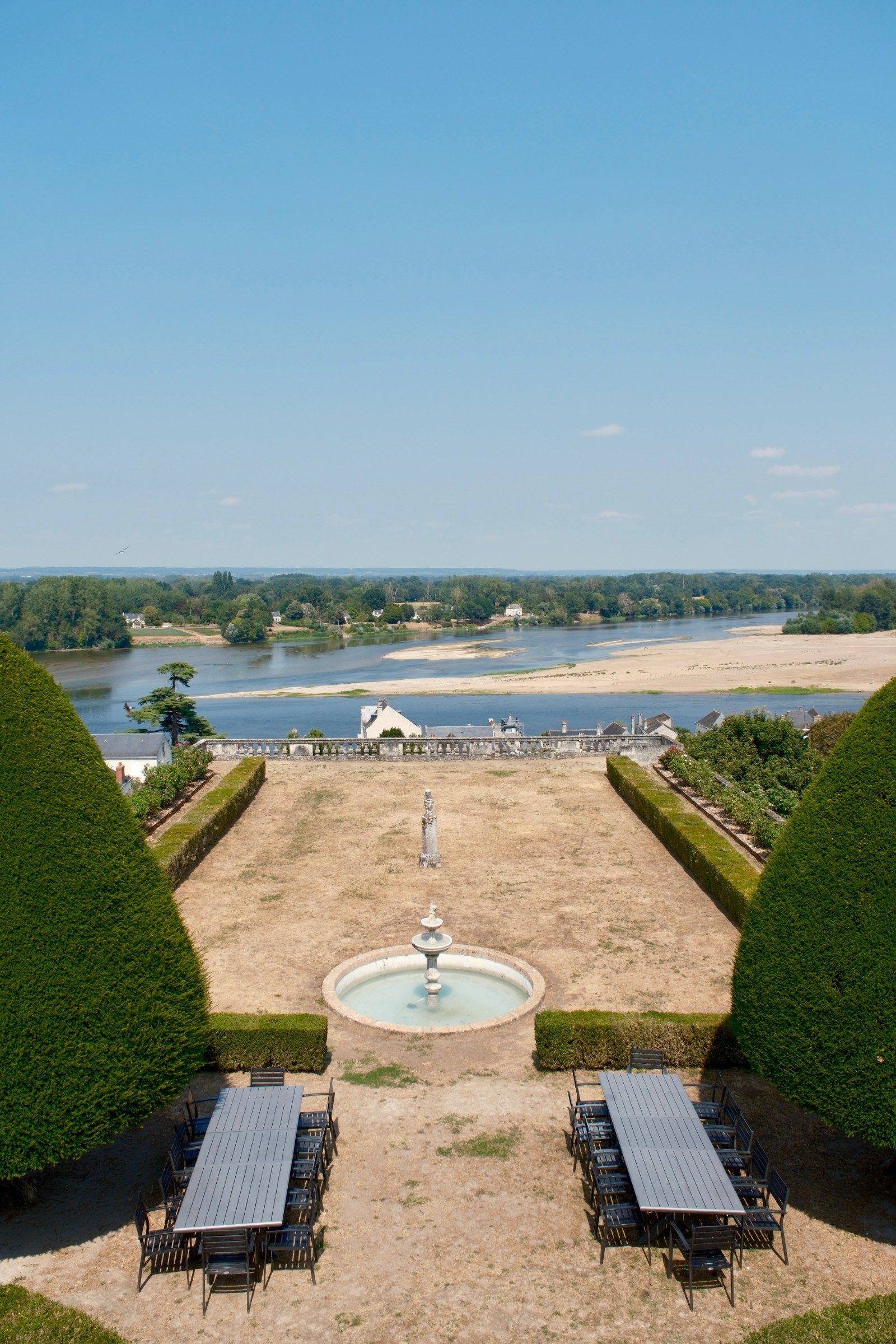
Abbeys, royal fortresses, troglodytic villages and legendary gardens: here are ten unmissable places to visit around Candes-Saint-Martin, all within an hour of the village.
Looking for places to visit around Candes-Saint-Martin? Good news: this village, ranked among the Most Beautiful Villages of France, nestled at the confluence of the Loire and Vienne rivers, sits at the heart of the Loire Valley, a UNESCO World Heritage site. Within less than an hour's drive, Anjou, Touraine and the Saumurois region reveal abbeys, royal fortresses, troglodytic villages and legendary gardens. Here are our ten favourite places, to discover from the Château de Candes Art & Spa, listed from nearest to furthest.
Just a stone's throw away: Montsoreau, Fontevraud and Turquant
1. Montsoreau Castle (approximately 2 km)
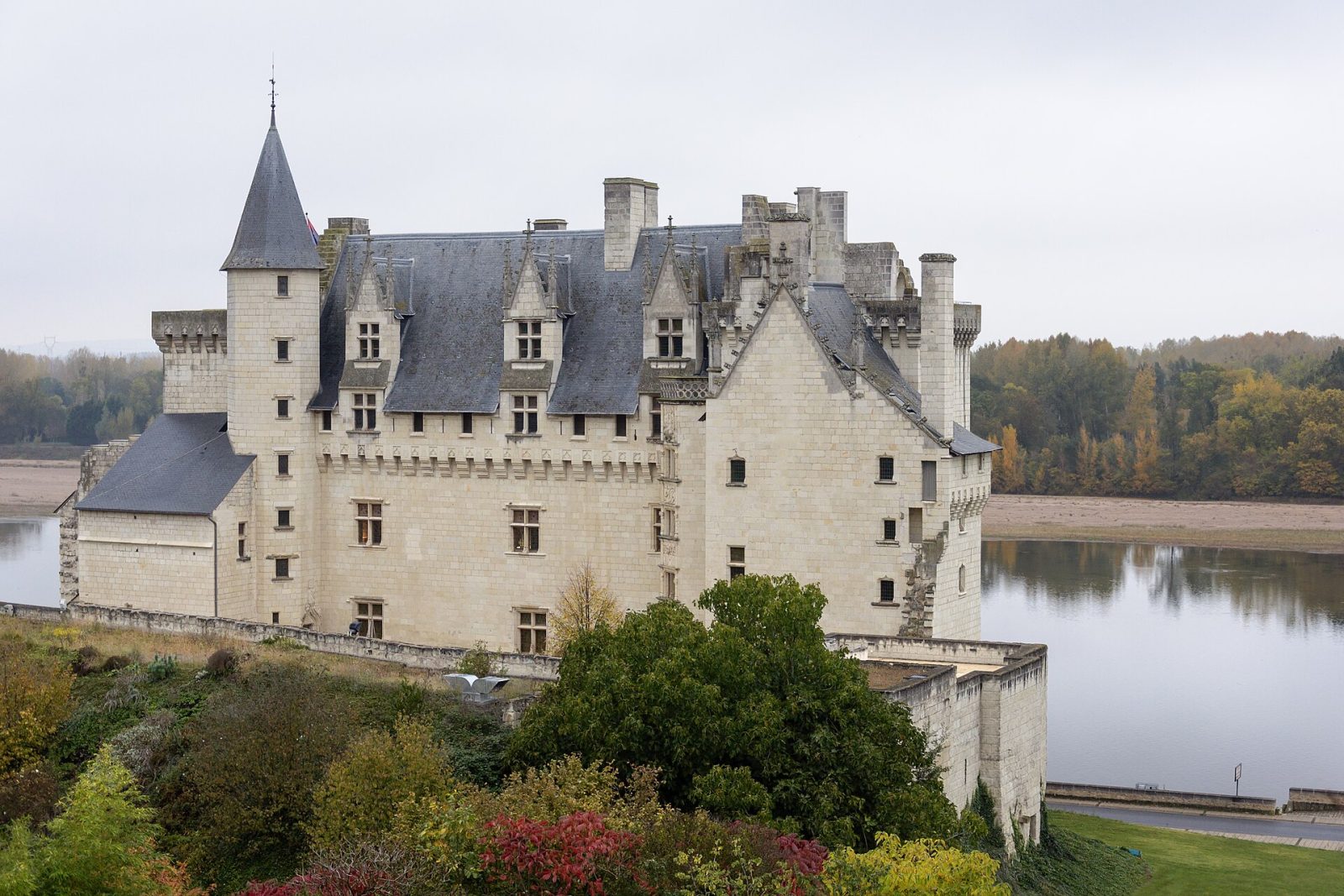
Candes' immediate neighbour is one of the rare Loire châteaux built right on the riverbank itself. Its white tuffeau stone façades inspired Alexandre Dumas to write The Lady of Montsoreau. Today, it houses a contemporary art museum where Renaissance architecture engages in dialogue with modern creation. You can reach it on foot or by bike following the Loire, perfect for a first morning.
2. Fontevraud Royal Abbey (approximately 6 km)
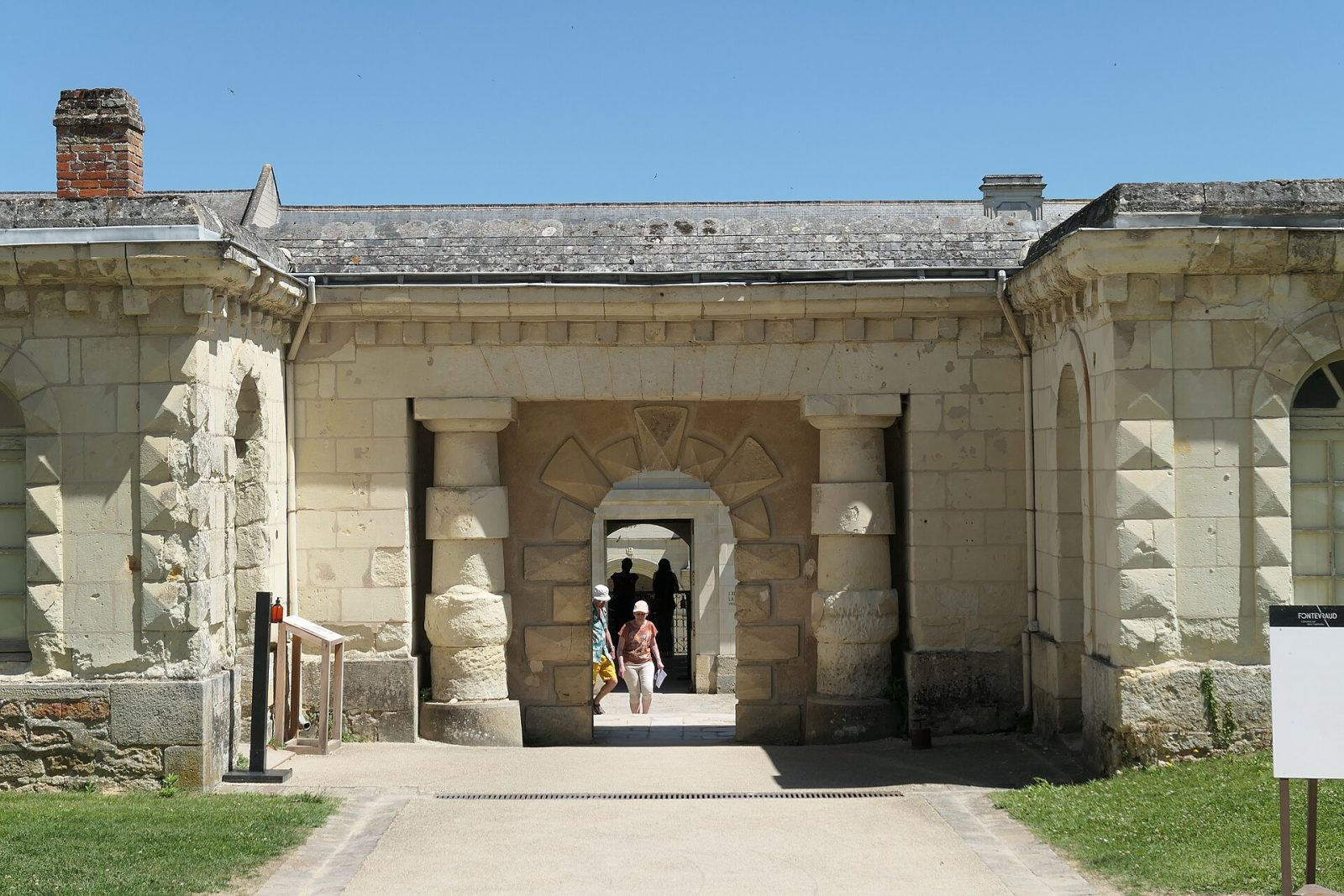
Founded in the early 12th century, Fontevraud Royal Abbey is one of Europe's largest monastic cities. The Plantagenet tombs rest here, including those of Eleanor of Aquitaine, Henry II and Richard the Lionheart. Don't miss the Romanesque kitchens with their remarkable scale-like roof, nor the modern art museum housed within the grounds. Allow half a day to make the most of it, and do check the programme: concerts, exhibitions and festivals enliven the abbey throughout the year.
3. Turquant, a troglodytic village (approximately 6 km)
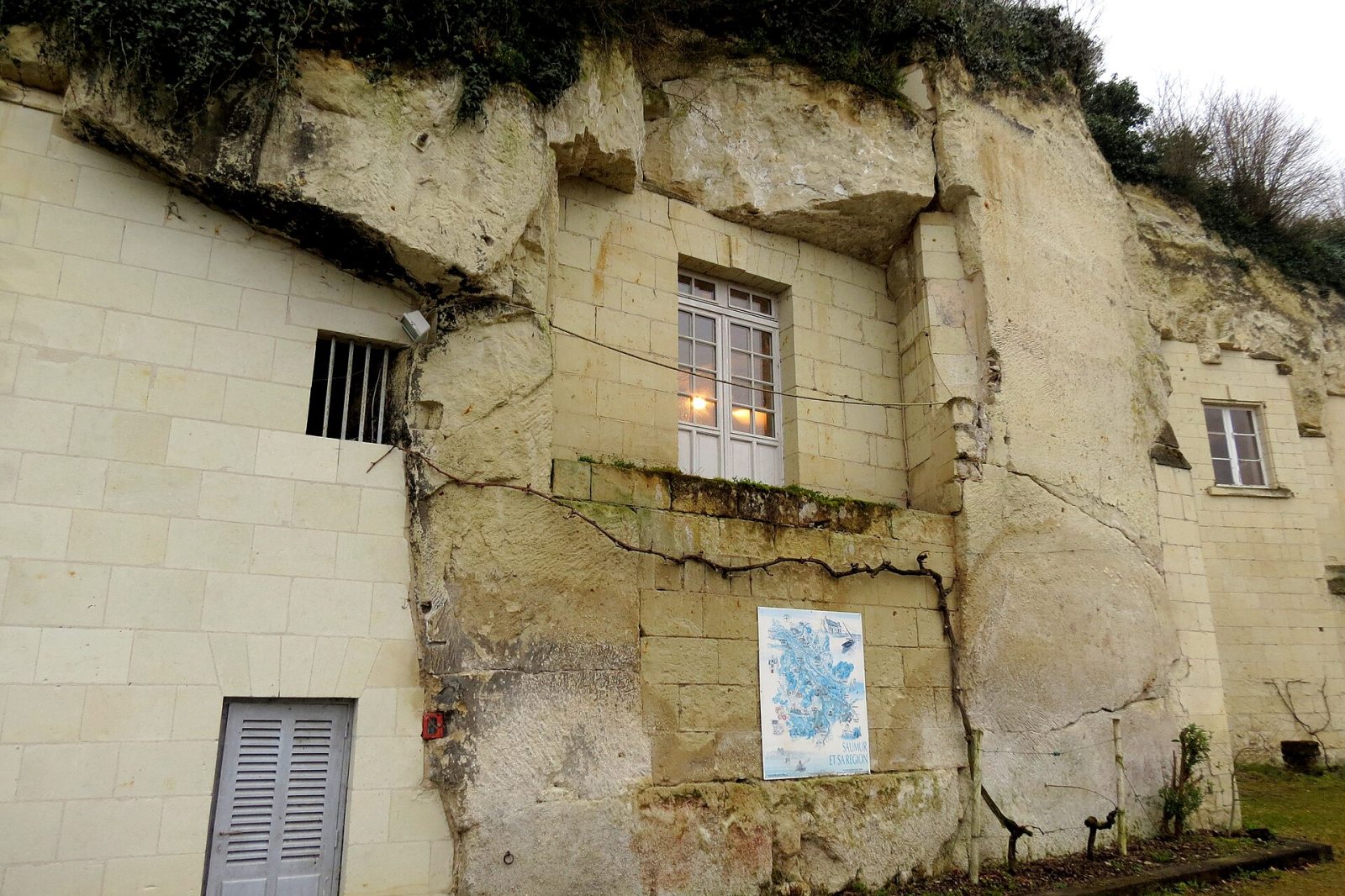
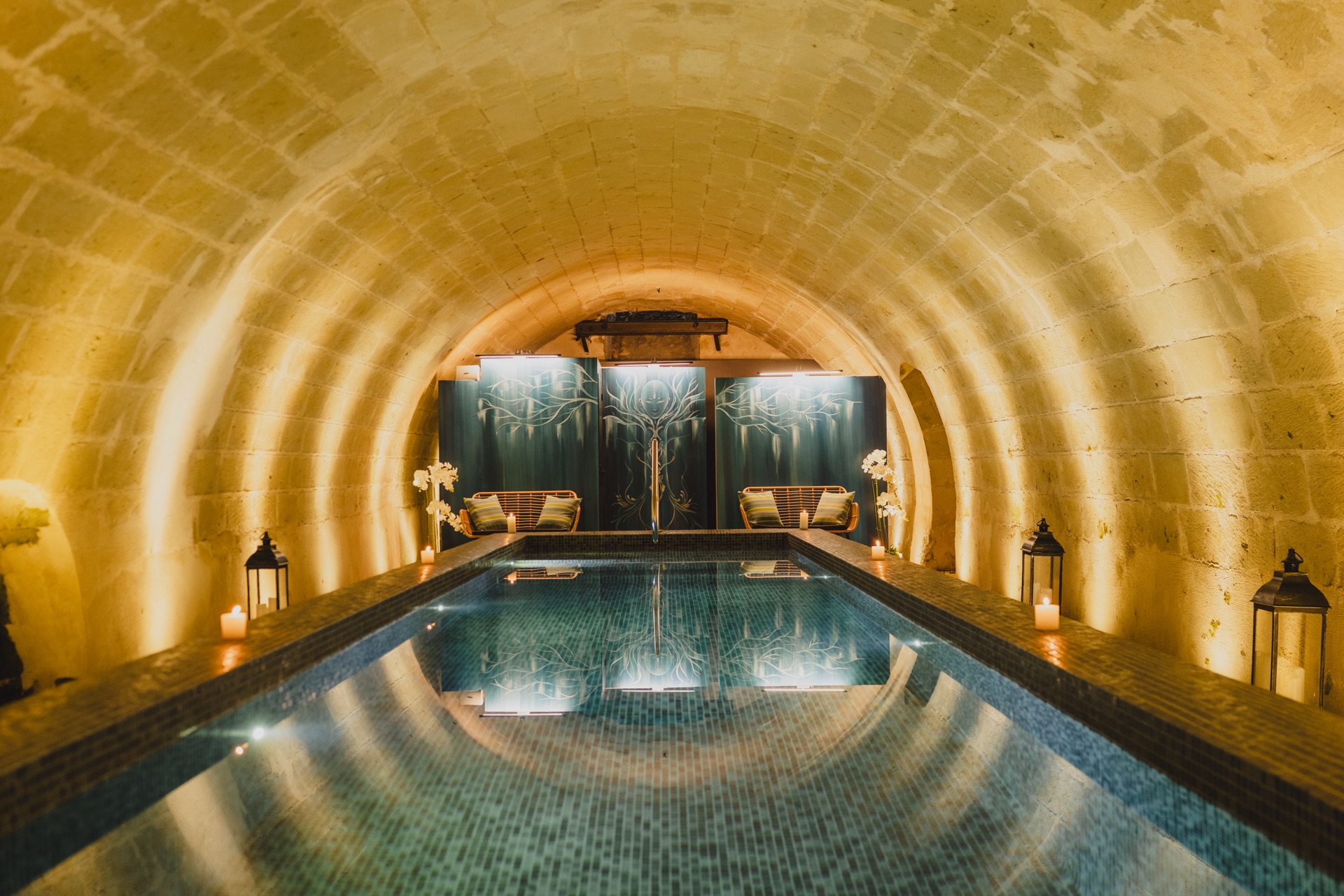
Between Montsoreau and Saumur, Turquant has carved its homes, workshops and cellars into the tuffeau cliff face. The village is home to craftspeople and offers lovely views over the Loire. It's a wonderful introduction to the troglodytic world, which you'll discover again at the château in our hammam carved into the rock.
The great royal cities of the Loire and Vienne
4. Chinon and its royal fortress (approximately 16 km)
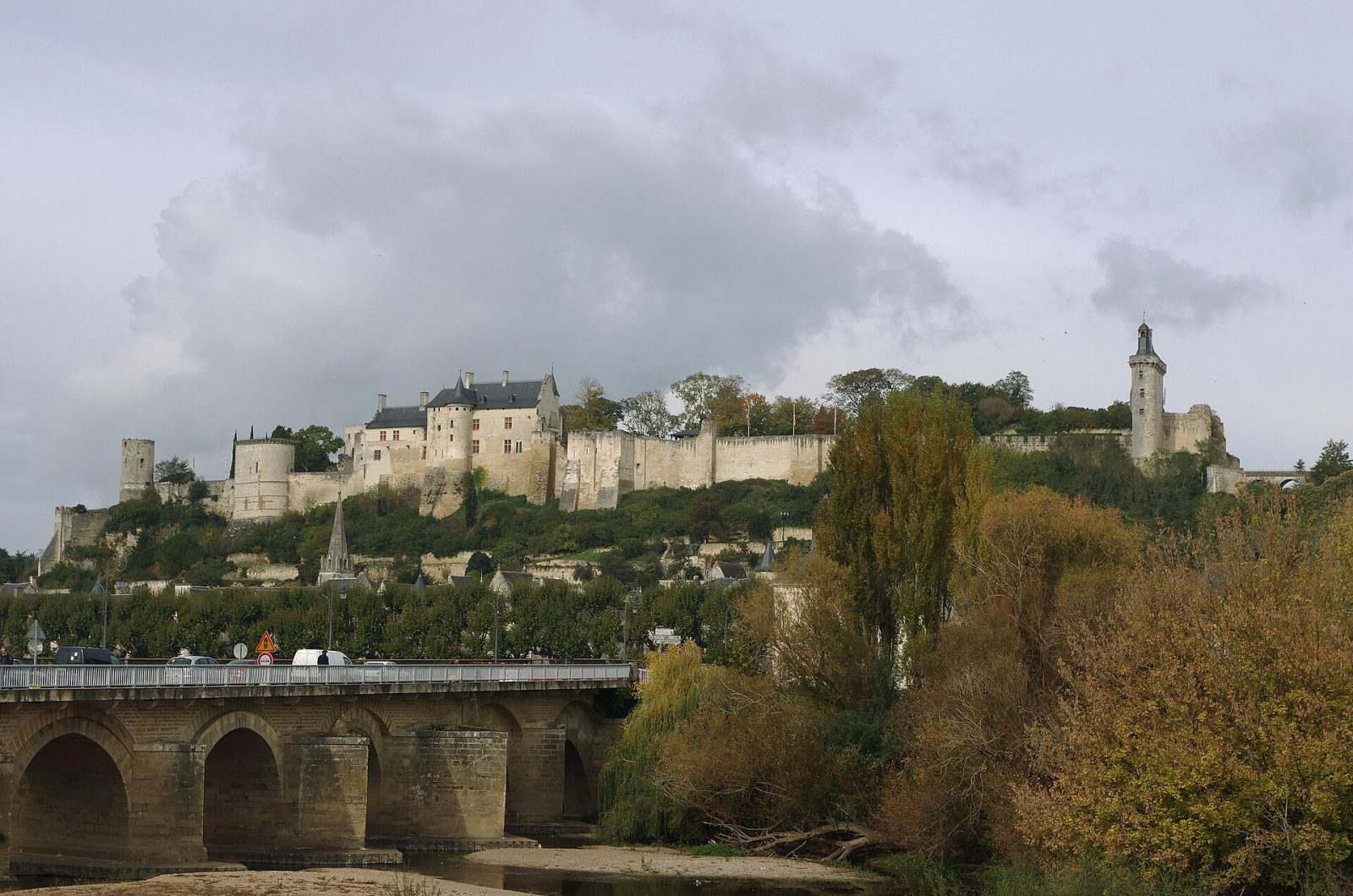
Following the Vienne upstream, Chinon reveals its medieval streets at the foot of a fortress that dominates the river. It was here in 1429 that Joan of Arc met the future Charles VII. After your visit, the town's cellars invite you to discover Chinon wine, a fruity red that pairs beautifully with local cuisine. The quay along the Vienne offers the finest view of the fortress, especially towards the end of the day.
5. Saumur, its château and the Cadre Noir (approximately 14 km)
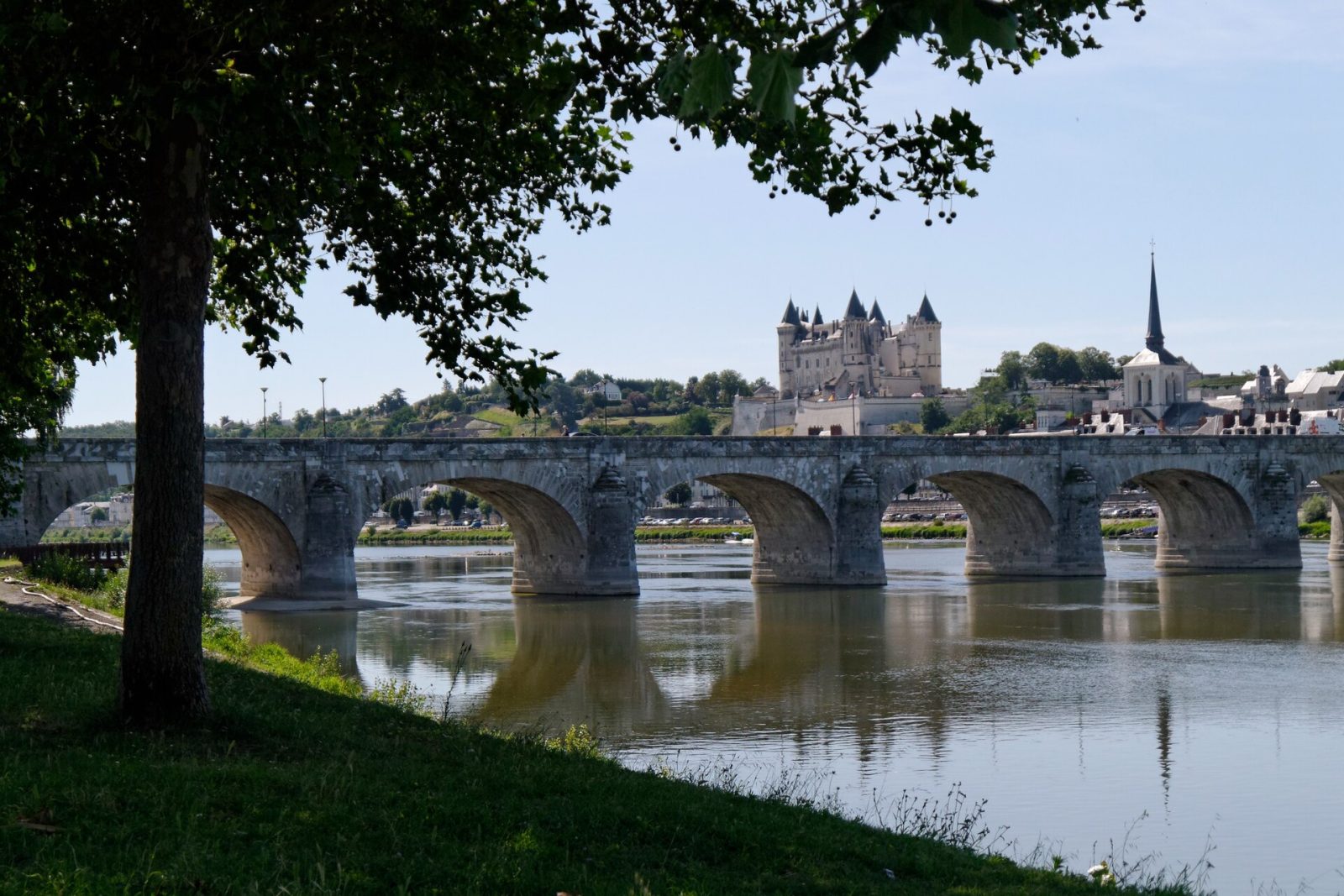
Saumur château, a storybook silhouette overlooking the Loire, watches over an elegant and lively town. Saumur is also the capital of horsemanship: the Cadre Noir, at the National Equestrian School, showcases its riders in black dress during highly appreciated demonstrations. To finish, the cellars in the surrounding area offer tastings of Saumur's fine sparkling wines.
6. La Devinière, birthplace of Rabelais (approximately 10 km)
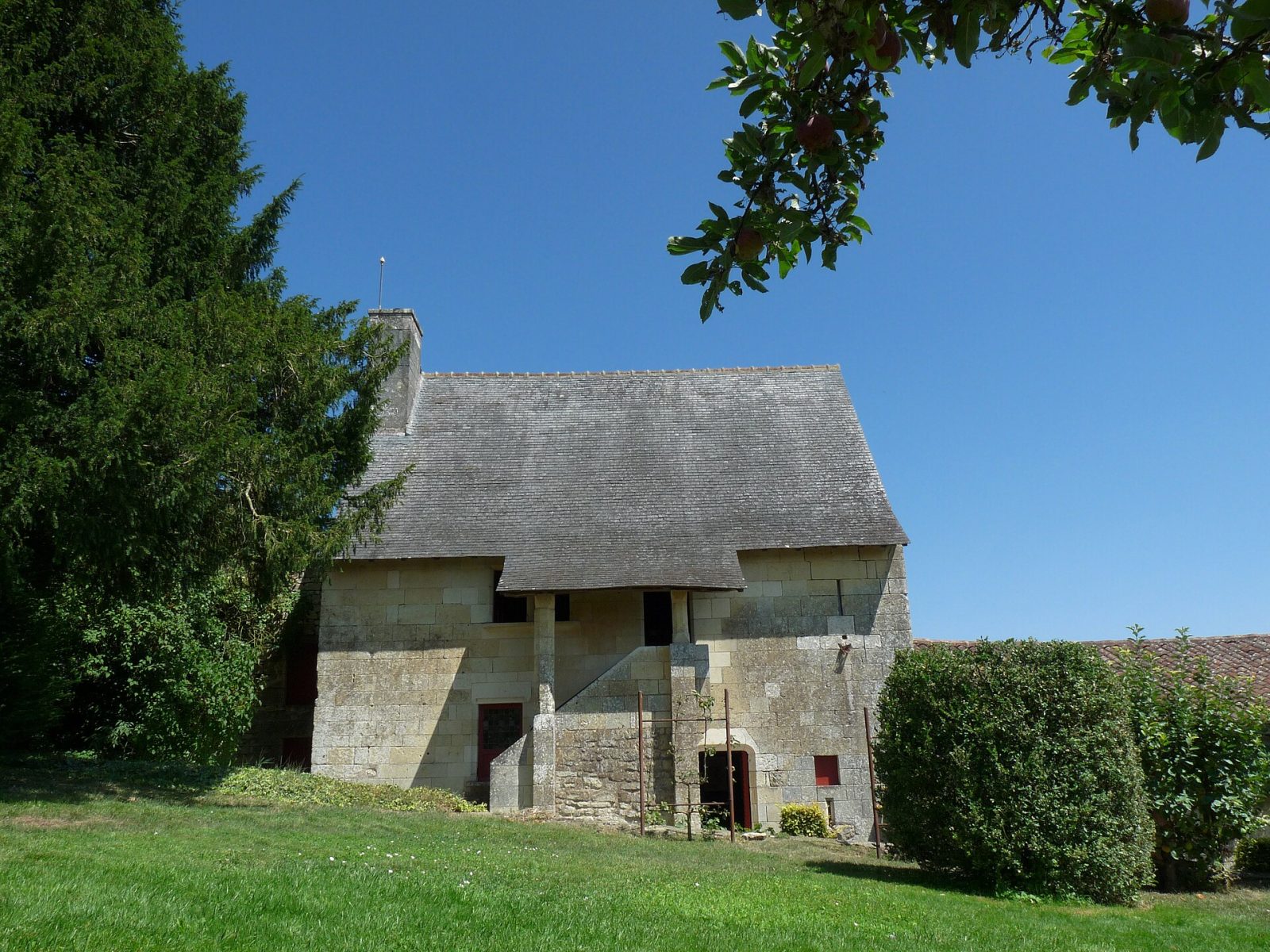
Nestled among the vineyards of Seuilly, La Devinière is the house where François Rabelais is believed to have been born. The surrounding landscape serves as the backdrop to the Picrocholine Wars in Gargantua. It's a charming, literary stop, perfect for a late afternoon between two château visits.
Storybook châteaux and legendary gardens
7. Château d'Ussé (approximately 15 km)
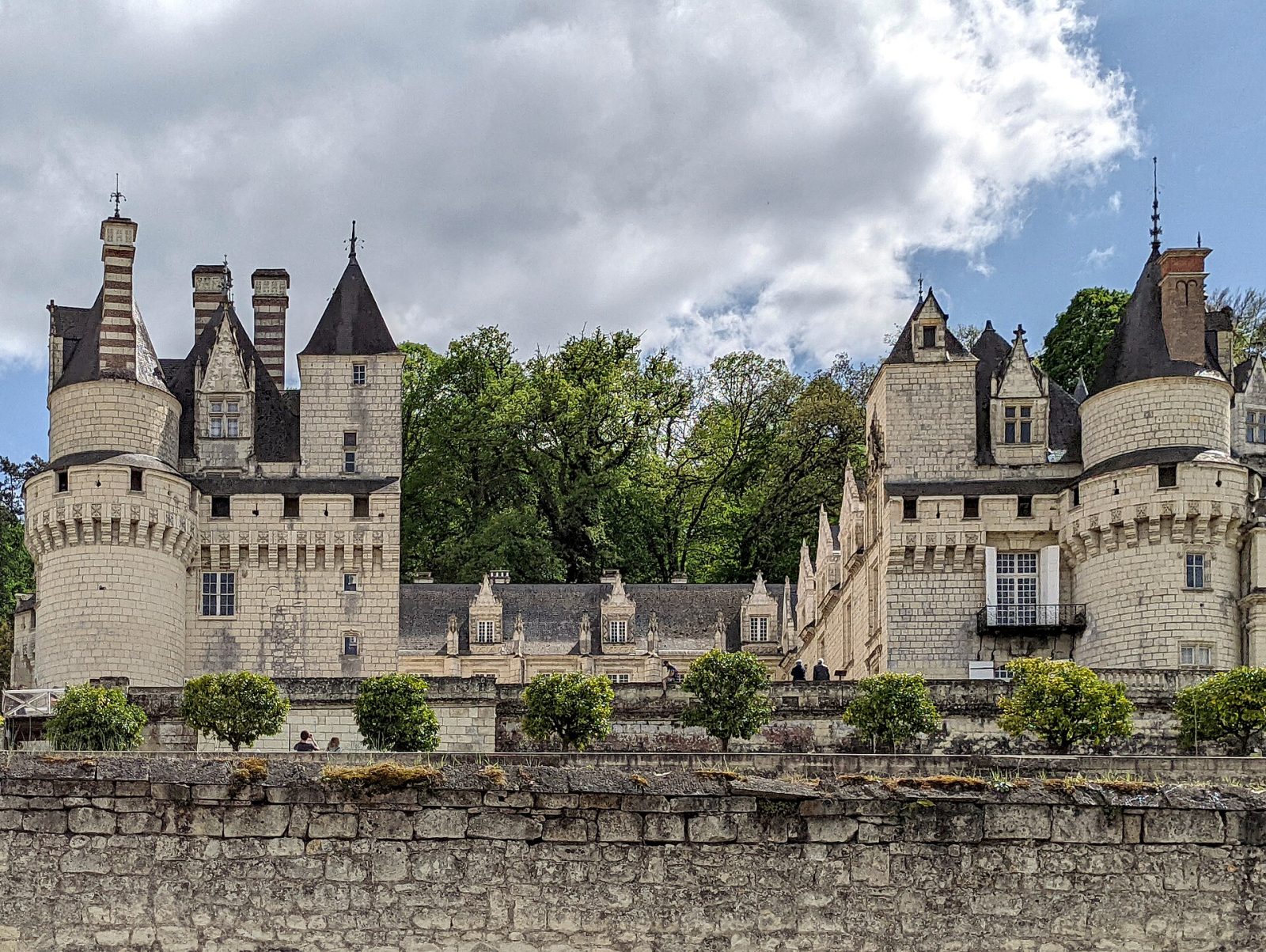
With its white towers at the edge of Chinon Forest, Ussé is nicknamed the 'Sleeping Beauty castle': it is said to have inspired Charles Perrault. Children love the fairy-tale scenes displayed along the ramparts, whilst adults appreciate the chapel and terraced gardens.
8. Brézé Castle (approximately 20 km)
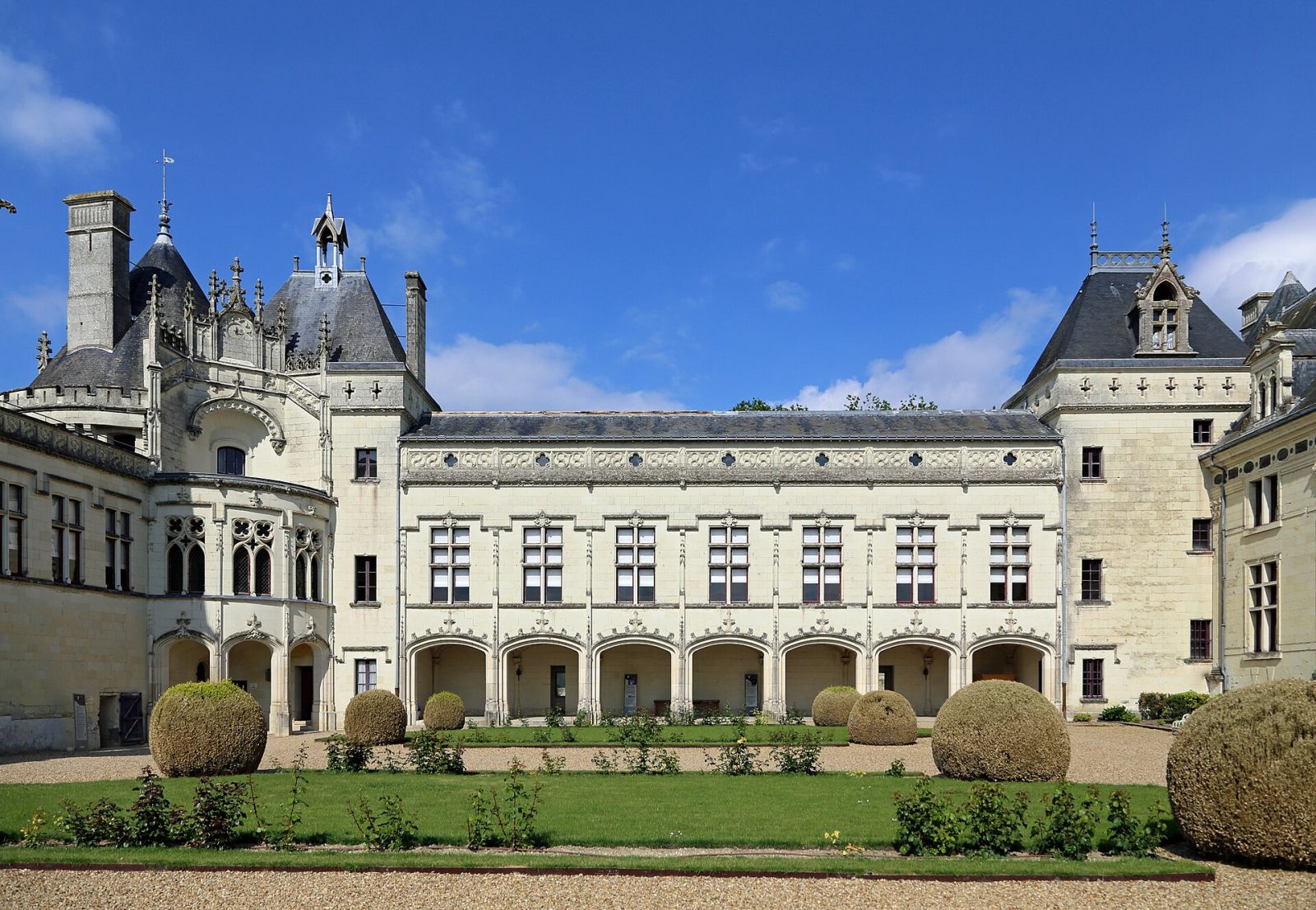
Brézé Renaissance Castle hides a secret beneath its feet: a network of underground passages carved into the tuffeau stone, complete with kitchens, bakery and silk farm, and some of Europe's deepest dry moats. A remarkable visit, best rounded off with a tasting of the estate's wines.
9. Azay-le-Rideau (approximately 30 km)
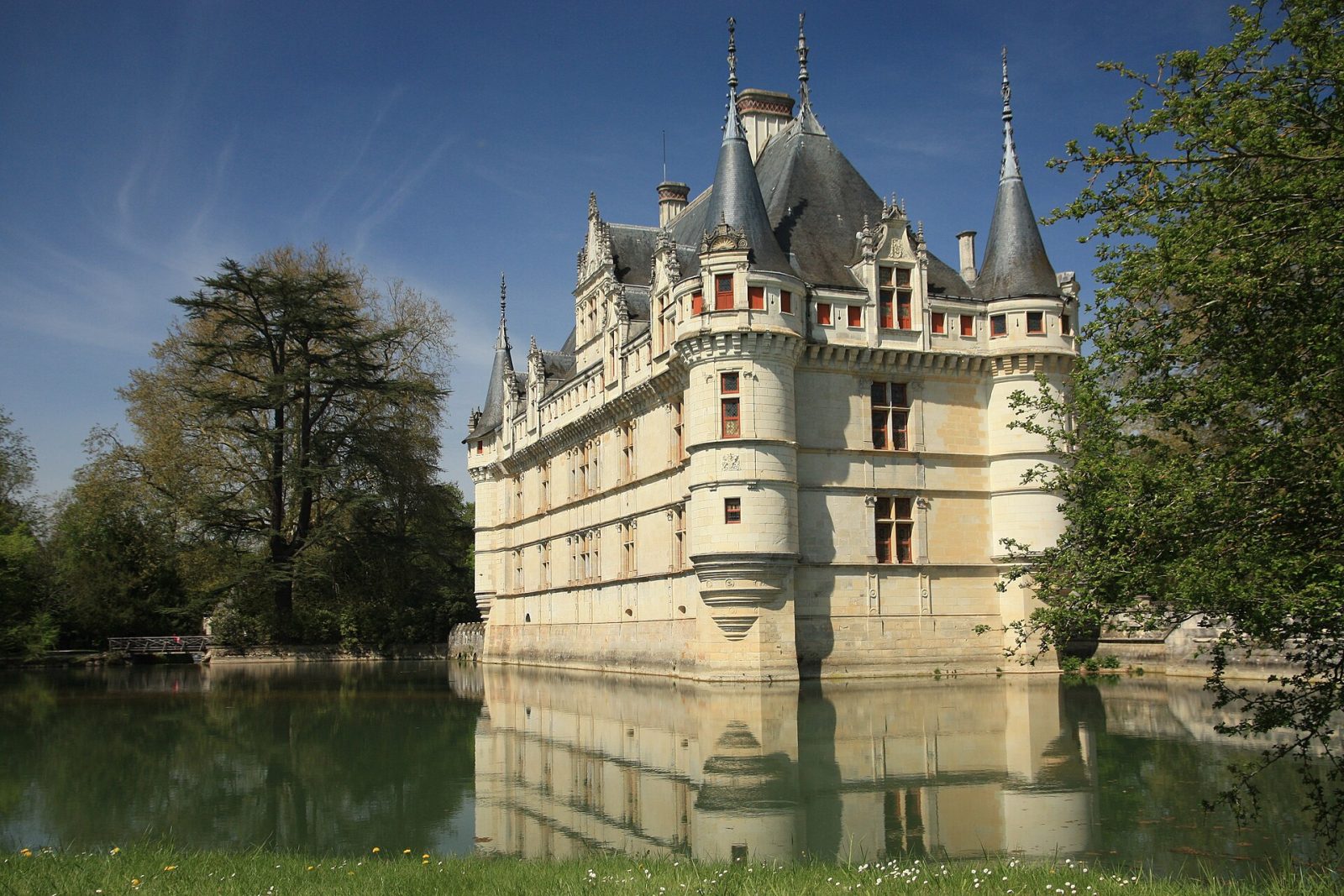
Nestled on an island in the Indre, Azay-le-Rideau is one of the jewels of early French Renaissance architecture. Its reflection in the water makes it one of the most photographed castles in the Loire Valley. The grounds, with their landscaped gardens and peaceful atmosphere, are perfect for a leisurely stroll.
10. Villandry Gardens (approximately 40 km)
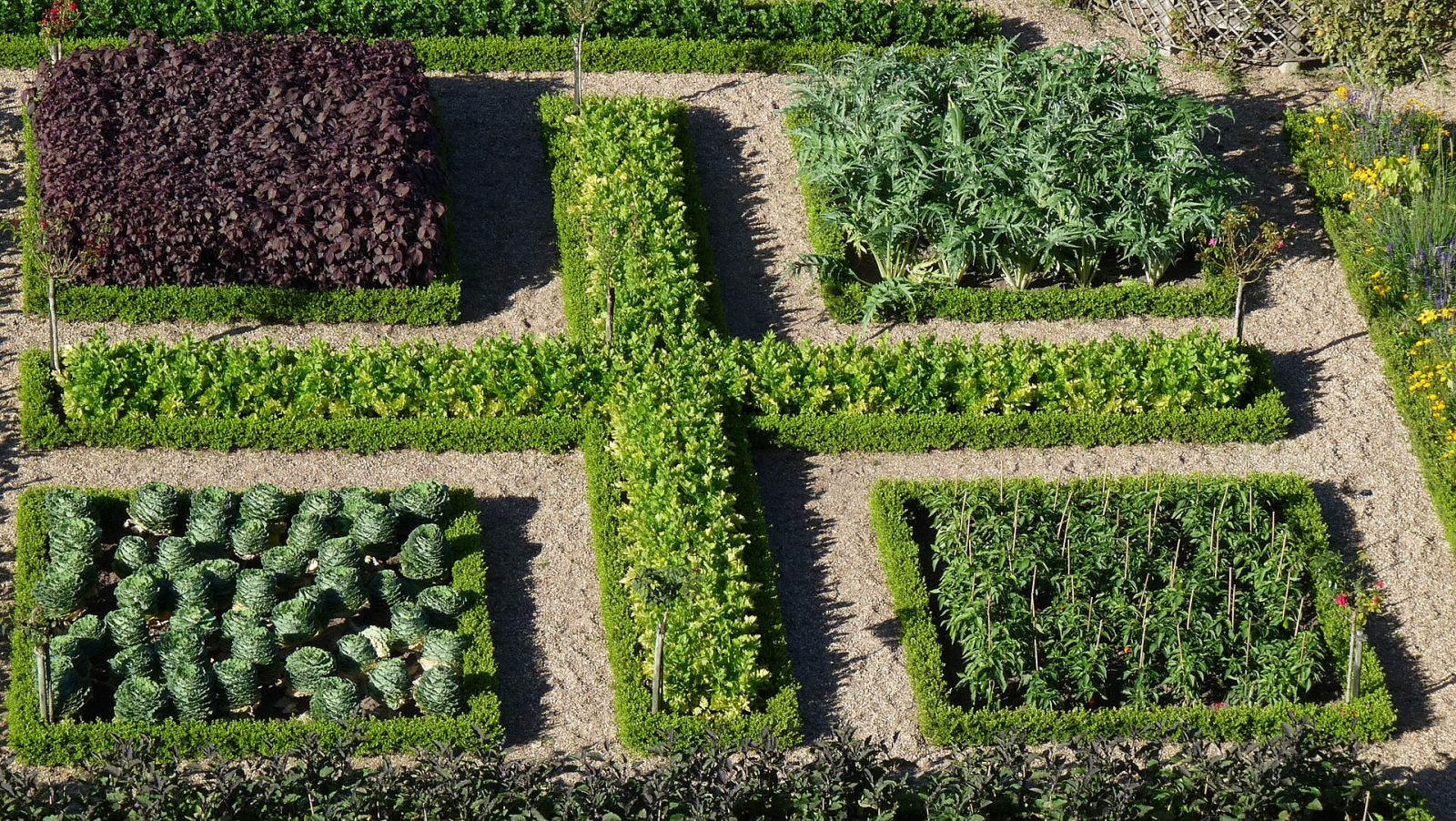
Villandry is renowned worldwide for its Renaissance terraced gardens: ornamental garden, water garden and, most notably, its decorative vegetable garden, where vegetables and flowers create striking geometric patterns. Each season brings new beauty, from spring blooms to autumn colours. Combined with Azay-le-Rideau, Villandry makes for a wonderful day out in Touraine.
After your visits, recharge at the castle
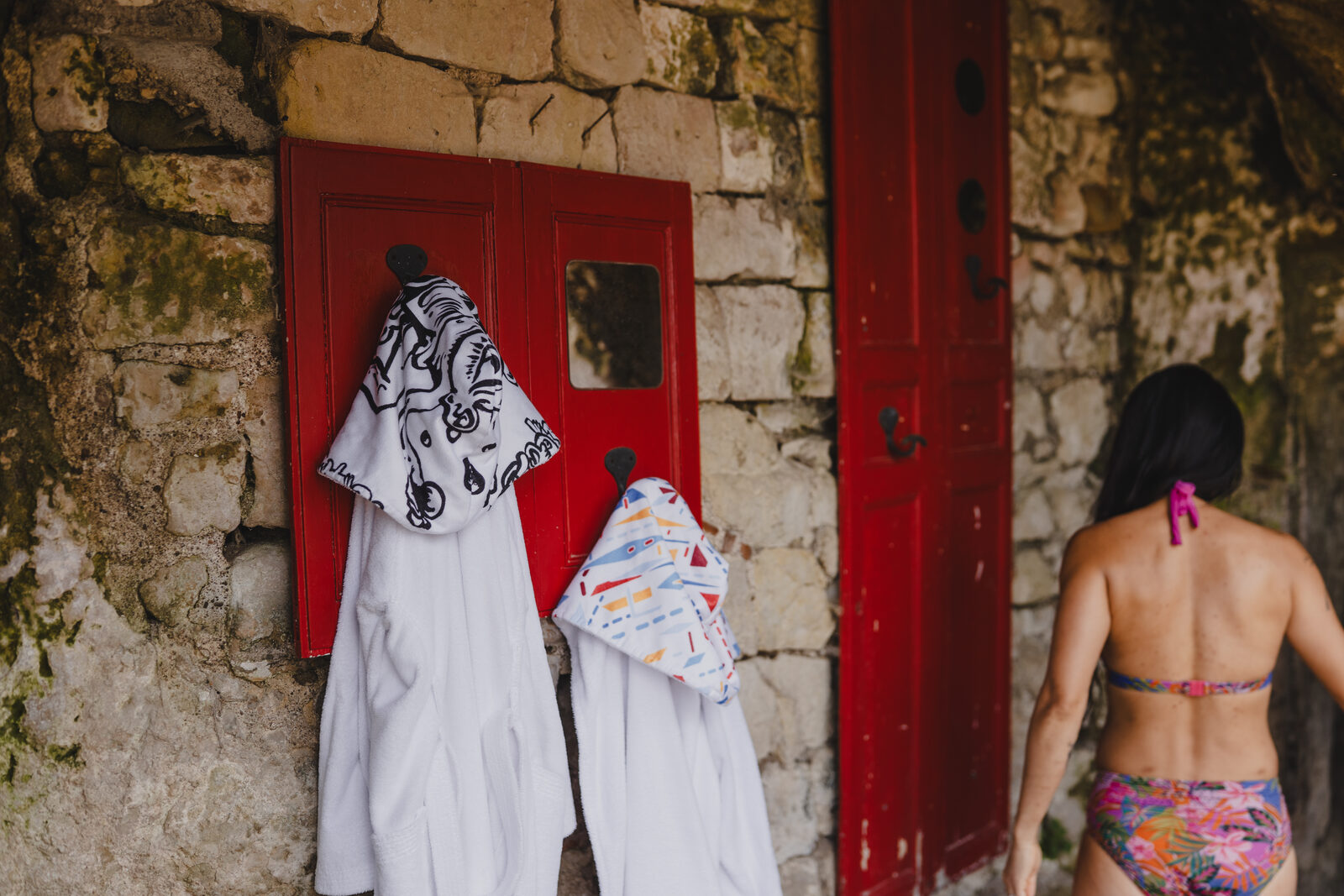
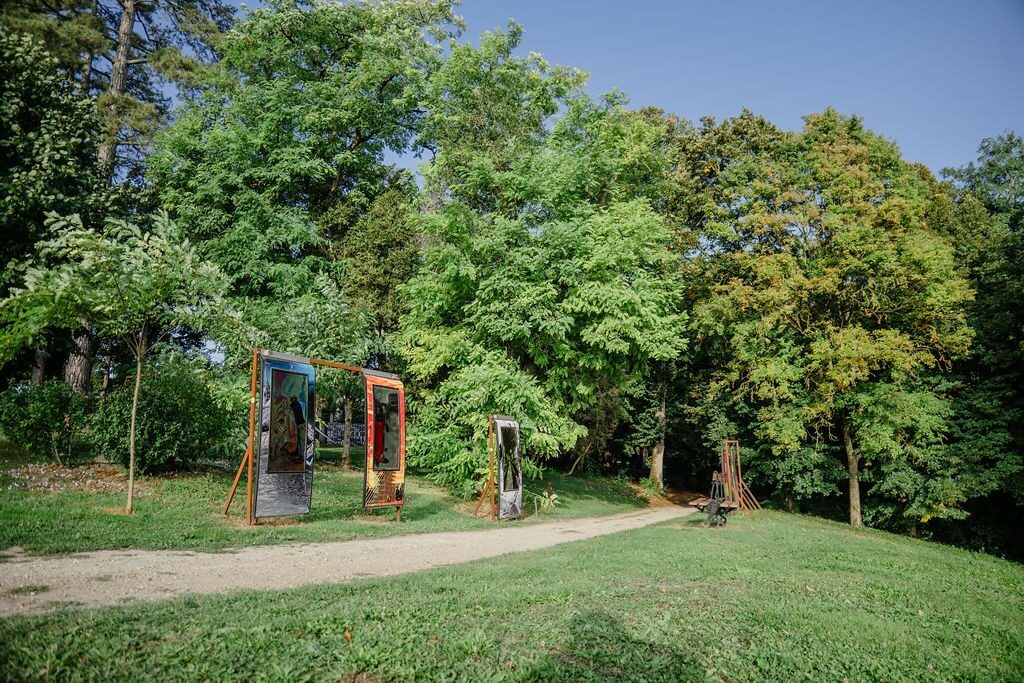
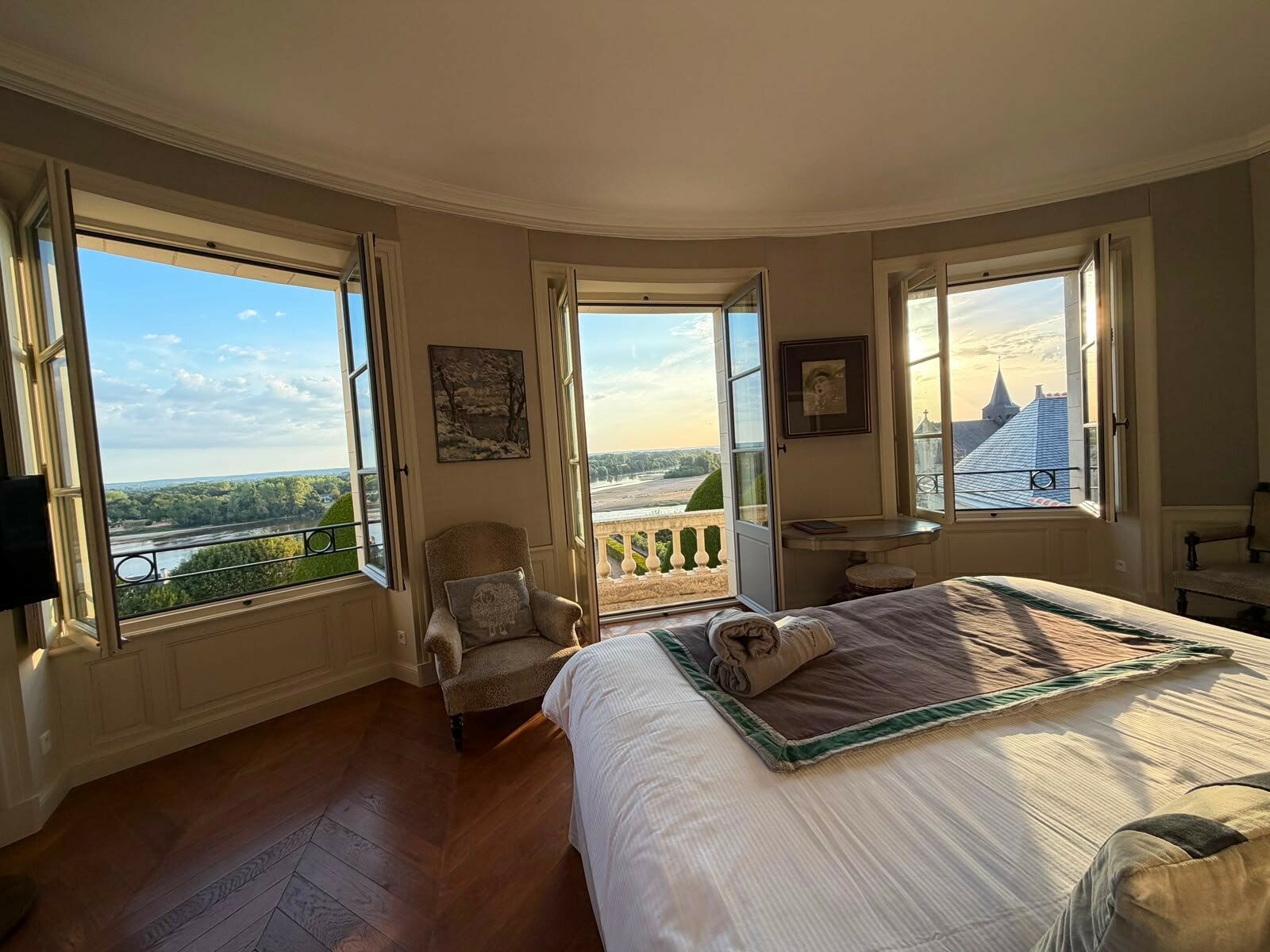
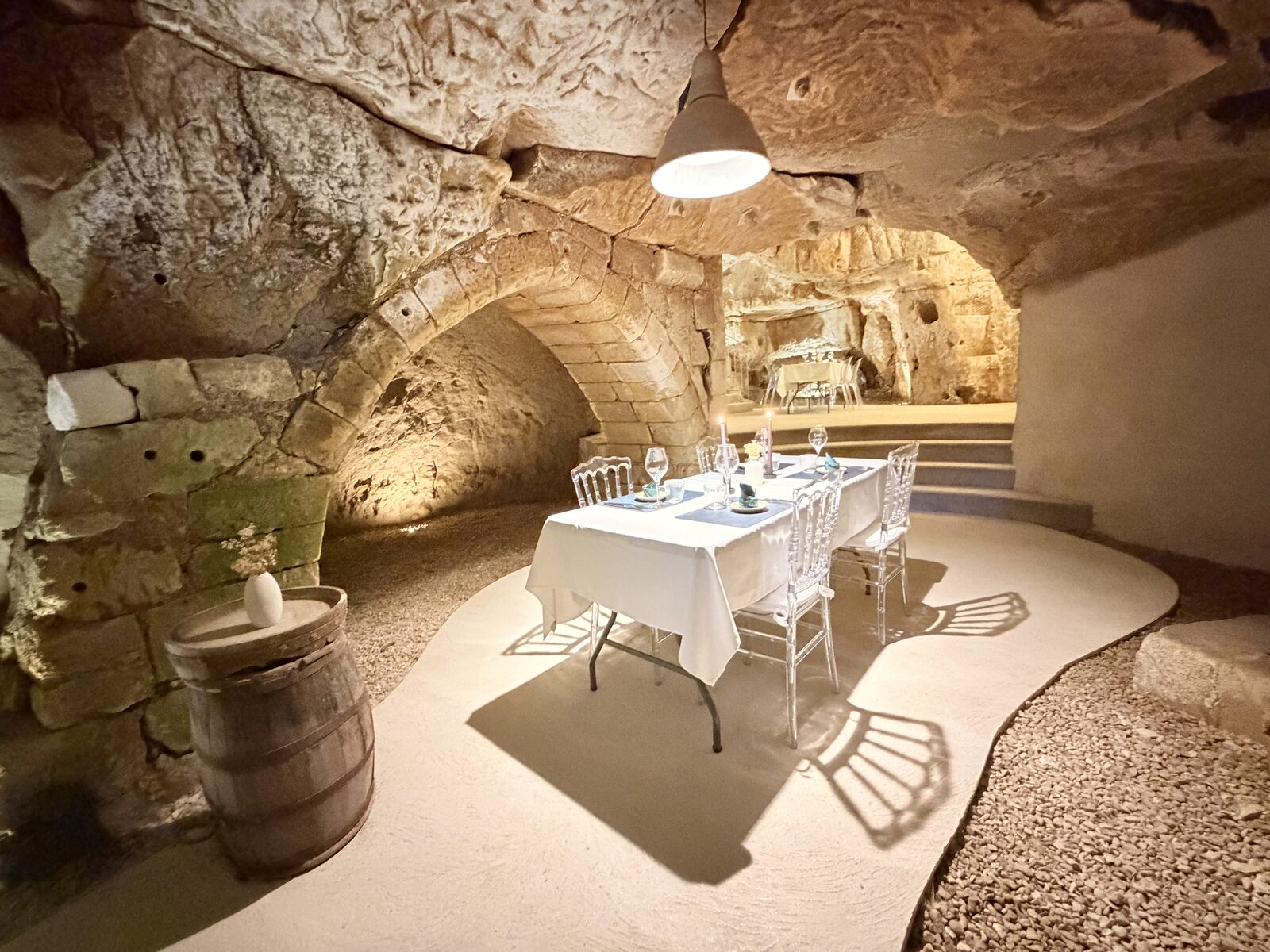
After a day of discovery, there's nothing quite like returning to Candes-Saint-Martin. Slip away to the spa and its troglodytic hammam, then wander through the street art park before dining at the Le Pressoir du Château restaurant. To explore the region over several days, our rooms and suites are the perfect base. Our team will be delighted to suggest an itinerary tailored to your interests, the season and the time you have available.
Your questions
What to visit around Candes-Saint-Martin in a day?
Montsoreau castle in the morning, the Royal Abbey of Fontevraud in the afternoon, and a stroll through the troglodytic village of Turquant at the end of the day: three sites within less than 6 km.
How long does it take to visit Fontevraud?
Allow half a day for the abbey, its Romanesque kitchens, the Plantagenet effigies and the modern art museum.
Can you visit the surrounding area without a car?
Yes for nearby sites: Montsoreau is accessible on foot, and the Loire à Vélo route allows you to reach Turquant and Saumur. A car is still useful for Ussé, Azay-le-Rideau or Villandry.
What is the best season to visit the region?
From spring to autumn, when the gardens are in bloom and the cellars are open. Winter remains pleasant for Fontevraud and the châteaux, with fewer crowds.


_(13014556795).jpg)
_(21788180974).jpg)

_Mus%C3%A9e_Rabelais_-_Maison_de_La_Devini%C3%A8re_-_02.jpg)


.jpg)
_Parc_et_jardins_du_ch%C3%A2teau_-_Potager_d%C3%A9coratif_-_09.jpg)